
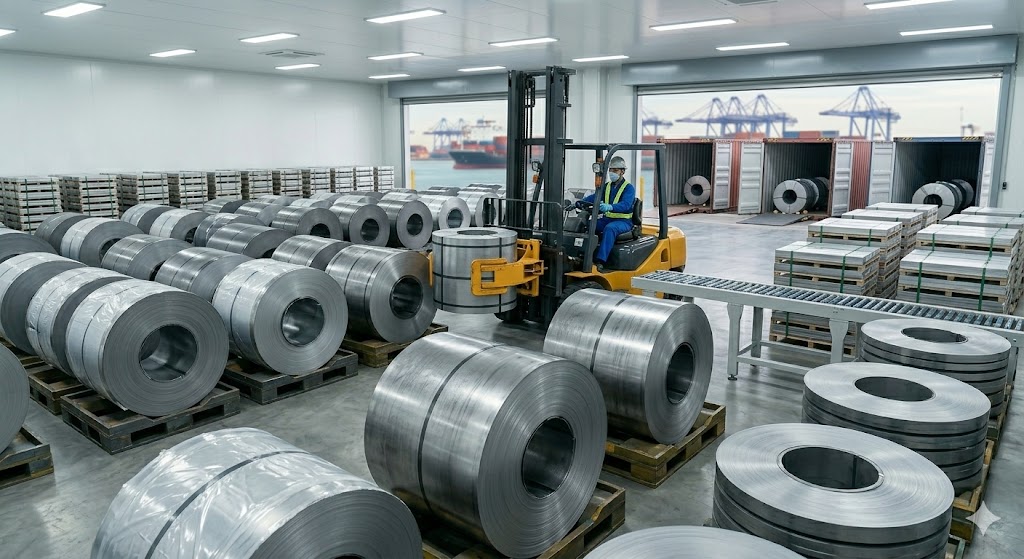
Material Sourcing Vietnam plays a decisive role in determining total manufacturing cost for metal forming, machining, and fabrication projects. As global supply chains evolve in 2026, procurement leaders must evaluate raw material pricing, import duties, logistics surcharges, and currency exposure to build stable sourcing strategies.
In Vietnam’s expanding industrial ecosystem, raw material sourcing combines domestic supply with imported steel, aluminum, and specialty alloys. Therefore, understanding how Material Sourcing Vietnam works is essential for controlling cost volatility and protecting project margins.
Overview of Material Sourcing Vietnam in 2026
Material Sourcing Vietnam includes both local procurement and international import channels. While Vietnam has domestic steel mills and rolling facilities, many manufacturers rely on imported raw materials to meet specific grade requirements.
Common imported materials include:
Hot-rolled steel coil
Cold-rolled steel sheet
Stainless steel
Aluminum alloys
Specialty structural steel
Import decisions depend on price competitiveness, grade availability, and lead time reliability. Consequently, procurement teams must analyze cost drivers beyond the base metal price.
Moreover, manufacturers sourcing for export programs must ensure material traceability and compliance with international standards.
Steel Price Index and Global Market Influence
The Steel price index significantly influences Material Sourcing Vietnam. Because Vietnam integrates into global commodity markets, fluctuations in steel prices directly impact local procurement costs.
Several factors affect the steel price index:
Global demand cycles
Energy price volatility
Trade restrictions and tariffs
Currency exchange rates
Supply chain disruptions
When steel prices rise globally, imported material cost increases accordingly. However, strategic sourcing agreements and long-term supplier contracts can partially mitigate volatility.
Furthermore, manufacturers often hedge material risk through forward purchasing agreements or diversified supplier networks.
Import Duties and Regulatory Compliance
Material imports into Vietnam are subject to customs procedures and tariff classifications. Although Vietnam benefits from multiple free trade agreements, certain material categories may still incur import duties.
Key cost components include:
Customs clearance fees
Import taxes when applicable
Documentation and compliance costs
Inspection and certification charges
Procurement teams must verify HS codes and origin certificates to avoid unexpected duties. Clear documentation reduces customs delays and improves supply chain predictability.
In addition, regulatory compliance ensures that imported material meets both domestic and export standards.
Logistics Surcharges and Freight Considerations
Beyond base material price, Logistics surcharges contribute significantly to total landed cost. Shipping expenses fluctuate due to fuel prices, port congestion, and seasonal demand.
Typical logistics cost components include:
Ocean freight rates
Fuel surcharges
Port handling fees
Container imbalance charges
Inland transportation to factory
While Vietnam’s port infrastructure continues to improve, global shipping markets remain dynamic. Therefore, manufacturers should integrate logistics forecasting into sourcing strategy.
Optimized inventory planning can reduce urgent shipment premiums and stabilize procurement budgets.
Currency Risk and Payment Terms
Material Sourcing Vietnam often involves foreign currency transactions, particularly when importing from China, Japan, Korea, or Europe.
Currency fluctuations between USD, VND, and other currencies affect landed cost. Procurement managers must consider:
Exchange rate volatility
Bank transfer fees
Payment term negotiations
Letter of credit requirements
Structured financial planning reduces exposure to unexpected cost increases.
Domestic vs Imported Material Comparison
Vietnam produces certain steel grades domestically, which may offer shorter lead times and lower transportation cost. However, imported material may provide higher-grade specifications or more consistent quality control.
When comparing domestic and imported material, decision-makers should evaluate:
Price per metric ton
Lead time reliability
Grade certification standards
Volume availability
Supply continuity
Often, hybrid sourcing models combine domestic supply for standard grades and imported material for specialized applications.
Impact on Total Production Economics
Material cost often represents the largest percentage of total production cost in metal forming. Consequently, Material Sourcing Vietnam directly influences unit pricing.
To understand the broader impact of raw material on production economics, review our detailed analysis of Metal Forming Cost in Vietnam.
When integrated with tooling amortization and labor efficiency, material optimization significantly improves overall Manufacturing ROI.
Inventory Strategy and Working Capital
Material sourcing decisions affect inventory carrying cost. Ordering large volumes may secure favorable pricing but increase working capital requirements.
Strategic inventory planning includes:
Safety stock calculation
Lead time alignment
Warehouse capacity management
Demand forecasting accuracy
Balanced inventory levels prevent production delays while minimizing excess capital lock-up.
Vietnamese manufacturers increasingly implement ERP systems to monitor material flow and optimize reorder timing.
Supplier Qualification and Risk Management
Reliable supplier partnerships are essential for stable Material Sourcing Vietnam. Qualification processes typically include:
Supplier audit and evaluation
Material certification verification
Performance history review
Financial stability assessment
Diversifying suppliers reduces risk of disruption. Additionally, maintaining dual sourcing arrangements enhances resilience against geopolitical or logistical instability.
Proactive risk management protects production continuity and cost predictability.
Sustainability and Responsible Material Procurement
Sustainability considerations increasingly influence sourcing decisions. Many global buyers require documentation related to carbon footprint and responsible raw material sourcing.
Vietnamese manufacturers respond by:
Requesting mill test certificates
Tracking material origin
Adopting environmentally compliant suppliers
Implementing scrap recycling programs
Responsible sourcing not only enhances brand reputation but also prepares companies for stricter ESG regulations.
2026 Outlook for Material Sourcing Vietnam
Looking ahead, several trends will shape Material Sourcing Vietnam:
Continued integration into global steel markets
Gradual modernization of domestic steel production
Improved port and logistics infrastructure
Greater adoption of digital procurement platforms
Although commodity volatility may persist, structured sourcing strategies reduce long-term risk.
Manufacturers that develop strong supplier relationships and diversify import channels will achieve greater stability.
Strategic Recommendations for Buyers
To optimize Material Sourcing Vietnam, procurement teams should:
Monitor steel price index trends regularly
Negotiate long-term supplier agreements
Incorporate logistics forecasting into budgeting
Evaluate currency risk exposure
Align inventory planning with production schedules
By integrating these elements, companies strengthen supply chain resilience and cost control.
Conclusion: Optimizing Material Sourcing Vietnam for 2026
Material Sourcing Vietnam represents a foundational element of competitive metal manufacturing. Raw material price, steel index fluctuations, logistics surcharges, and regulatory compliance all influence final production cost.
Effective sourcing requires disciplined planning, supplier diversification, and financial risk management. When structured properly, Vietnam offers a balanced combination of global market access, improving infrastructure, and cost competitiveness.
If your organization seeks a deeper evaluation of raw material sourcing and import cost structure in Vietnam, our team can provide cost modeling and supplier benchmarking tailored to your manufacturing requirements.
Contact us today to optimize your raw material strategy and strengthen your 2026 production roadmap.